

How to Choose a Reliable Roofing Contractor in Charlotte, NC
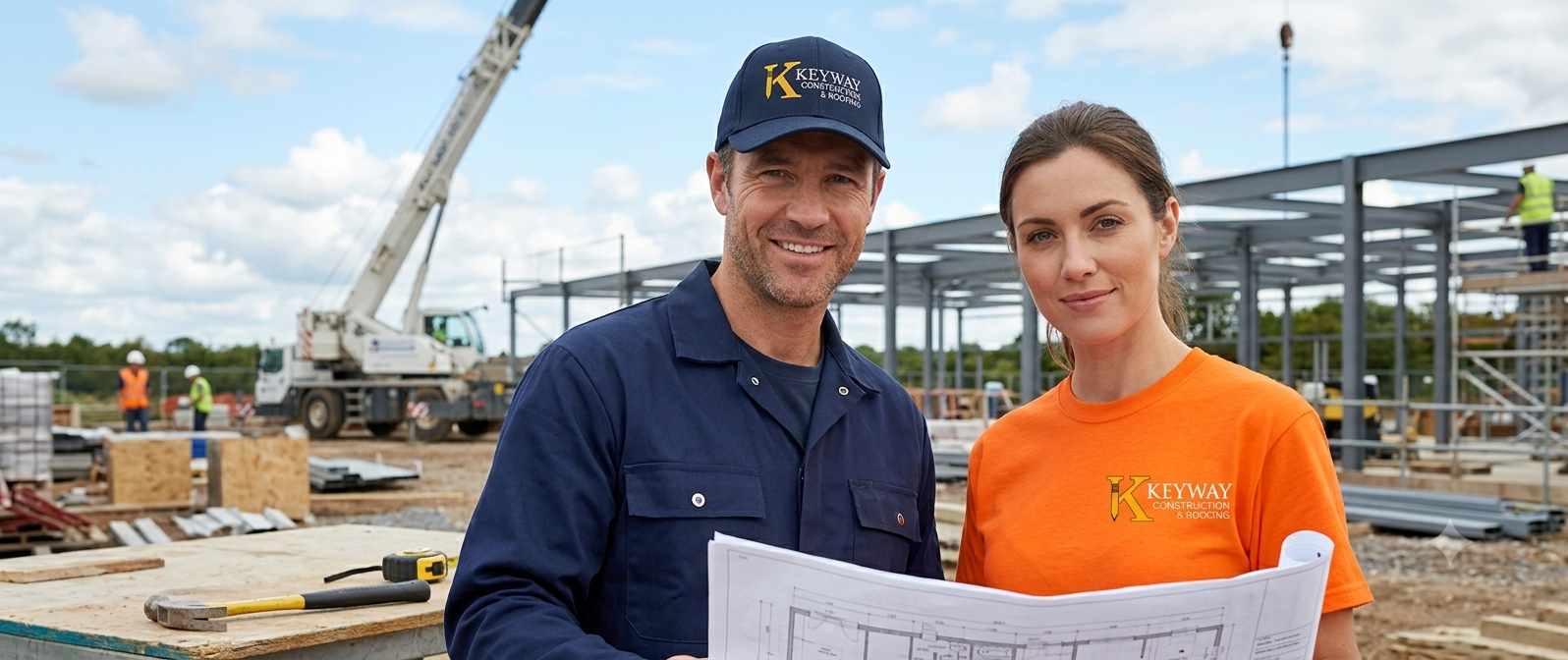
There is no shortage of roofers in Charlotte. That is exactly the problem. After every significant storm, crews from out of state flood the metro knocking on doors, national franchises ramp up ad spending, and your mailbox fills with flyers. Most of them can put shingles on a roof. The harder question, and the one that actually protects your home and your money, is which of them will show up when they said, do the work correctly, and still be in business if you need warranty support a year from now. We have been a licensed general contractor in this market since 1975, and over 50 years we have replaced and repaired a lot of work that the previous contractor did wrong. This guide is the vetting process we would want our own families to use.
Start With the License, Because in North Carolina It Is Not Optional
North Carolina requires a general contractor license for construction projects above a certain dollar threshold, and a full roof replacement on most homes clears that threshold easily. A contractor working at that scale without the proper license is a liability you do not want attached to your home. If something goes wrong, your recourse is limited, your insurance may complicate a claim involving unlicensed work, and you have no licensing board to escalate to.
Verifying a license is not complicated, and any legitimate contractor will give you their license number without hesitation. You can confirm it through the state licensing board for general contractors. What you are checking for: that the license is active, that it is in good standing, and that the name on the license matches the company you are actually hiring. Storm-season operations sometimes work under a borrowed or affiliated license that does not actually cover the person standing on your roof. Ask directly whose license the job is being performed under.
There is a meaningful distinction in Charlotte between a roofing-only company and a licensed general contractor. On newer homes the difference may never come up. On older homes, it is frequently the whole ballgame. When a roof comes off an aging home and the crew finds rotted decking, compromised fascia, or structural issues underneath, a roofing-only outfit is not licensed to address the structural work. They either stop, hand you off to someone else, or worse, roof over the problem. A licensed general contractor can handle the full scope in one project, with one point of accountability.
License red flags to walk away from:
- A contractor who hesitates, deflects, or gets defensive when you ask for a license number
- A license that is expired, suspended, or registered to a different company name
- A door-knocker who cannot point to a permanent local office or physical address
- Pressure to skip permits to save you money, which puts you on the hook, not them
- A verbal claim of being licensed with no number, no paperwork, and no way to confirm it
The Storm Chaser Problem in Charlotte
Charlotte sits in an active severe weather corridor. Hail and wind events roll through the metro regularly, particularly through the spring and summer, and the eastern suburbs toward Monroe and Indian Trail see more than their share. That storm activity attracts a specific kind of operator: the storm-chasing crew that follows weather systems from state to state, sets up temporarily after a major event, signs as many contracts as possible, does the work fast, and moves on before anyone needs warranty support.
Some storm chasers do acceptable work. Many do not. The problem is structural to how they operate. A one-year or longer workmanship warranty means nothing if the company that issued it has left the state. When a leak shows up eight months after a rushed installation, the homeowner who signed with an out-of-town crew is on their own. The homeowner who signed with an established local contractor makes a phone call and gets it fixed.
The tell is usually timing and urgency. A crew that appears at your door within days of a hail event, offers to inspect for free, and then pressures you to sign immediately so they can lock in your insurance claim is following a playbook. A legitimate inspection does not require a signature on the spot. Take the documentation, get a second opinion, verify the company, and decide on your own timeline. Anyone rushing you past that process is rushing you for their benefit, not yours.
If you are dealing with storm damage and an insurance claim is involved, understanding the process before you sign anything matters. We walk through the full sequence in our Charlotte roof insurance claim guide, including why an independent inspection should come before the adjuster visit.
The Questions That Actually Separate Good Contractors From Bad Ones
Most homeowners ask about price and timeline. Those matter, but they are not where the real differences live. The questions below are the ones that reveal whether a contractor knows what they are doing and whether they will stand behind it.
Ask every contractor these before you sign:
|
1
|
How long have you operated in the Charlotte area, and from what address? Longevity in this specific market is the single best predictor of whether they will be around for warranty work. A permanent local office beats a P.O. box or a phone number every time. |
|
2
|
What does your workmanship warranty cover, and who honors it? Manufacturer material warranties and contractor workmanship warranties are two different things. Ask specifically what the contractor stands behind on their own labor, and for how long. |
|
3
|
Are you certified by the manufacturer whose products you are installing? Manufacturer certification, such as Owens Corning, requires training and accountability and unlocks warranty options that uncertified installers cannot offer. |
|
4
|
What happens if you find rotted decking or other damage once the old roof is off? The honest answer involves a clear process and transparent pricing for additional work, communicated to you before they proceed. A contractor who has not thought about this has not done enough of these jobs. |
|
5
|
How do you handle cleanup and site protection? Listen for specifics. Magnetic nail sweeps, tarping over landscaping, dumpster placement, and a final walkthrough are the marks of a crew that respects your property. |
Read the Estimate Carefully, Not Just the Bottom Line
The cheapest bid is rarely the best value, and the most expensive is not automatically the most thorough. What matters is what the estimate actually includes. A detailed, line-item written estimate tells you the contractor has thought through the job. A single lump-sum number with no breakdown tells you almost nothing, and it leaves enormous room for surprise charges later.
When you compare estimates from different Charlotte contractors, you are often not comparing the same scope of work even when the headline numbers look similar. One contractor may include full tear-off, new underlayment, drip edge, and code-required upgrades. Another may be quoting a roof-over that traps moisture and voids warranties. Read for what is included and what is conspicuously absent. Components that frequently separate a complete estimate from a thin one include underlayment type, ice and water barrier in valleys and at eaves, flashing replacement rather than reuse, ridge ventilation, and the disposal of old materials.
One more thing to watch in the estimate: payment structure. A contractor asking for the full project cost upfront before any work begins is a warning sign. Reasonable contractors collect a deposit and the balance on completion, or coordinate directly with your insurer on a covered claim. Full payment before work starts removes the contractor’s incentive to finish, and finish well.
| What you see | Reassuring sign | Warning sign |
|---|---|---|
| The estimate | Written, itemized, scope clearly defined | Verbal, vague, or a single lump number |
| The address | Permanent local office in the metro | P.O. box, out-of-state, or none given |
| The license | Number provided freely, verifies active | Reluctance, excuses, or mismatch |
| The timeline pressure | Gives you room to decide and compare | Sign today or lose the price |
| The payment ask | Deposit plus balance on completion | Full amount demanded upfront |
| The reviews | Verifiable, local, consistent over years | Sparse, brand new, or all from one week |
Check Reviews, But Check Them the Right Way
Online reviews are useful, but only if you read them correctly. A perfect five-star average across a handful of reviews posted in the same month tells you less than a strong average built up steadily over several years. Look for longevity and consistency in the review history, not just the headline rating. Reviews that mention specific neighborhoods, specific services, and the homeowner’s actual experience with cleanup, communication, and follow-through are worth more than generic praise.
Pay attention to how a contractor responds to the occasional negative review, because every contractor who has been around long enough has at least one. A measured, professional response that tries to resolve the issue says more about the company than a wall of flawless ratings. Independent platforms and accreditation through organizations like the Better Business Bureau and Angi add a layer of verification beyond a contractor’s own website.
Local references carry particular weight in Charlotte because the building stock varies so much from neighborhood to neighborhood. A contractor with a track record on 1990s subdivisions in Matthews and Indian Trail has seen the specific issues those homes present. A contractor who has worked on older homes in the central neighborhoods has dealt with the structural surprises those reroofs uncover. Experience with homes like yours, in areas like yours, is more relevant than a high volume of reviews from a different kind of property entirely.
What a Quality Roof Installation Actually Includes
Part of choosing well is knowing enough to recognize good work when you see it described. You do not need to become a roofer, but understanding what belongs in a complete installation lets you read an estimate critically and ask sharper questions. The shingles or panels everyone focuses on are only the visible top layer of a system, and the parts underneath are where roofs succeed or fail in Charlotte’s climate.
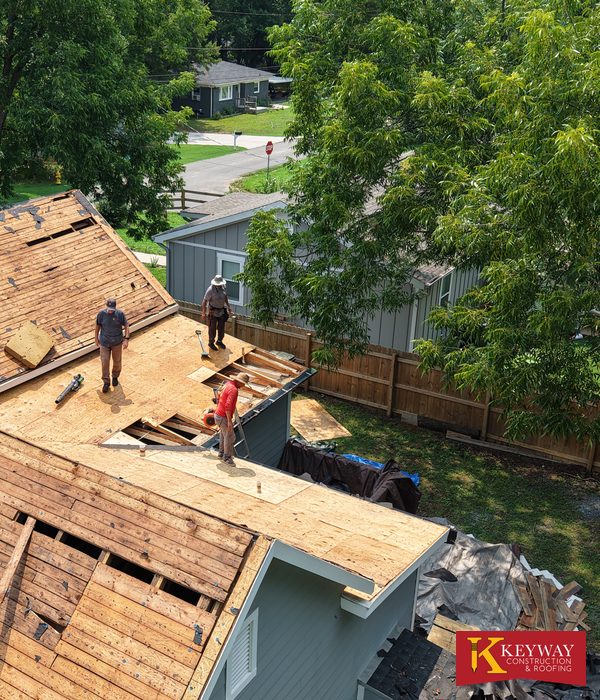
A proper installation starts with full tear-off of the old roof down to the decking in most cases, rather than a roof-over that layers new material on top of old. Tear-off lets the crew inspect the decking, find soft or rotted sheathing, and replace it before it becomes a hidden failure point. In Charlotte’s heat and humidity, trapping an old roof under a new one is a recipe for moisture problems and premature failure, and it frequently voids manufacturer warranties.
From there, the components that matter include a quality underlayment across the entire deck, an ice and water barrier in the vulnerable areas like valleys and eaves, new flashing at every penetration and transition rather than reused old flashing, and adequate ridge and soffit ventilation. Ventilation in particular is underrated. Charlotte attics regularly exceed 100 degrees in summer, and a roof that cannot breathe cooks its own shingles from below, shortening their life regardless of how good the shingle was. A contractor who talks about ventilation strategy before they talk about shingle color is a contractor who understands the system.
Cleanup is the final tell. The best crews protect your landscaping during the job, run a magnetic nail roller across the property afterward to catch stray nails, and walk the finished job with you before they leave. A yard full of nail fragments and shingle debris after the trucks pull away is a preview of how much that contractor cares about the parts of the job you cannot see from the curb.
Why Local Longevity Protects You More Than a Low Bid
Here is the part that does not show up on an estimate. A roof is not a one-day transaction. It is a system that has to perform for decades, and the relationship with the contractor who installs it matters for as long as that warranty is in effect. When you choose a contractor who has operated in the same market for decades, you are buying more than the installation. You are buying the likelihood that they will answer the phone when you call, that their reputation in your community is something they actively protect, and that they have a financial reason to make every job right.
A contractor who has been in Charlotte since before the I-485 loop was finished has a reputation built one homeowner at a time, in neighborhoods where word travels fast. That kind of business does not survive 50 years by cutting corners or disappearing on warranty claims. The accountability is structural. They live here, their crews live here, and their next job often comes from the last homeowner they did right by.
None of this means you should overpay. It means the lowest number on the page is not the only number that matters. Factor in the warranty you can actually collect on, the license you can actually verify, the office you can actually drive to, and the years of local work you can actually check. When you weigh all of that, the contractor who looked slightly more expensive on the estimate often turns out to be the better value by a wide margin.
If you want an honest assessment of your roof from a licensed general contractor who has been in Charlotte since 1975, call us at 704-847-7119 or request a free estimate online. We serve Charlotte, Matthews, Ballantyne, Indian Trail, Mint Hill, Waxhaw, Weddington, Monroe, and the surrounding communities.
Frequently Asked Questions: Choosing a Roofing Contractor in Charlotte
Should I call my insurance company or a roofing contractor first after storm damage?
Get an independent roof inspection from a licensed contractor before you file the claim. Most homeowners cannot see hail bruising, granule loss, or lifted shingles from the ground, and a documented inspection gives you evidence in hand before the adjuster ever arrives. Once you have that documentation, you file the claim and can request that your contractor be present for the adjuster visit. Calling the insurance company first, with no independent documentation, leaves you relying entirely on whatever the adjuster happens to record. We cover the full sequence in our Charlotte roof insurance claim guide.
How do I know if a Charlotte roofing contractor is actually licensed?
Ask for the license number directly. Any legitimate contractor will provide it without hesitation. You can then verify it through the state licensing board for general contractors, confirming the license is active, in good standing, and registered to the same company you are hiring. Be cautious of operations working under a borrowed or affiliated license that does not actually cover the people on your roof. If a contractor is reluctant to give you a number or gets defensive when asked, treat that as your answer and move on.
Why does it matter whether my roofer is a general contractor or roofing-only?
On newer homes, it often does not. On older homes, it can be the difference between a job done right and a job that hides a problem. When an aging roof comes off and the crew finds rotted decking, damaged fascia, or structural issues underneath, a roofing-only company is not licensed to address the structural work. They have to stop, hand you off, or roof over the problem. A licensed general contractor can handle the full scope in a single project with one point of accountability, which matters most on homes that have been through a few decades of Charlotte heat and humidity.
How many estimates should I get before choosing a roofing contractor?
Two or three detailed written estimates give you enough to compare scope and value without dragging the process out while your roof sits exposed. The goal is not simply to find the lowest number. It is to compare what each contractor actually includes, since two estimates with similar totals can cover very different scopes of work. Read each one for tear-off versus roof-over, underlayment, flashing replacement, ventilation, and cleanup. The contractor who explains their scope clearly and answers your questions directly is usually the one worth choosing, even when they are not the cheapest line on the page.
What is the biggest warning sign that I should not hire a particular roofer?
Pressure to sign immediately, combined with a demand for full payment upfront. Those two together are the clearest signal of an operation that does not plan to stick around. A legitimate contractor gives you time to decide, provides a written itemized estimate, verifies their license on request, and structures payment so that the balance is due on completion. When someone is rushing you past all of that, they are rushing you for their benefit, not yours. Slow down, verify, and choose a contractor who is comfortable being checked.
Related reading: Roofing contractor services in Charlotte | Roof repair vs. replacement: making the right call | How to file a roof insurance claim in Charlotte | Residential roofing services in Charlotte | All roofing services
Related Roofing Resources
Services: our roofing services, roof replacement, and storm damage roof repair.
More guides: what a new roof costs in Charlotte, filing a roof insurance claim, and roof repair vs replacement.
Before you sign, understand how roof warranties work.
Recent Posts

Protect Your Gutters With Gutter Caps
Eliminate tedious maintenance tasks and unsightly clogs with time-saving gutter guards.See For Yourself
View Our Gallery of Projects
Proudly Serving
Matthews | Stallings | Mint Hill | Indian Trail | Weddington
Waxhaw | Monroe | Ballantyne | South Park | Arboretum |
Myers Park | Pineville | Fort Mill
Matthews | Stallings | Mint Hill | Indian Trail | Weddington
Waxhaw | Monroe | Ballantyne | South Park | Arboretum |
Myers Park | Pineville | Fort Mill